
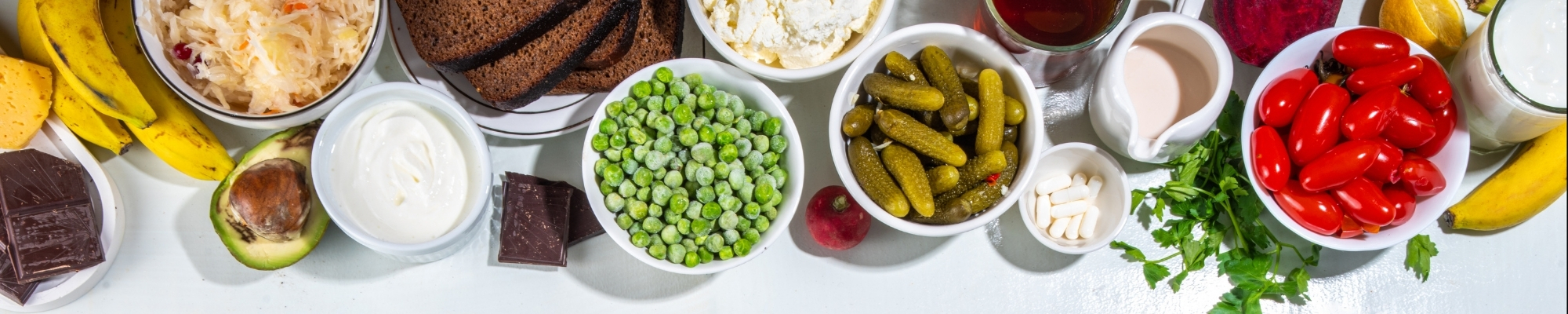
Simple Definition : Prebiotics is the food of Probiotics
Prebiotics refers to the “food” that the probiotics eat. Prebiotics for gut probiotics are fibre compounds that pass undigested through the digestive tract. As these fibre compounds pass through digestive tract, it will be fermented by the intestinal microorganisms. At this stage, certain types of microorganisms are selectively stimulated to grow or activate themselves thus the probiotics (“good” microorganisms or bacteria) would grow in number or produce postbiotics.
Examples of prebiotics for gut “probiotics” are beta-glucan from oats, resistant starch from grains and beans and also inulin from chicory root. We will explain a little on how these three nutrients are processed in our body and what benefits they bestow upon us.
| Beta-glucan (β-glucan) | Resistant starch | Inulin |
|---|---|---|
| Description : A form of polysaccharide (glucan / polycarbohydrate) that have different properties one of which is acting as soluble fibre. | Description : Starch that passes through the stomach and small intestine undigested and reached the large intestine. | Description : A form of polysaccharide (polycarbohydrate) which consists of fructans (polymers of fructose or plant sugar molecules) created by some plant types as an energy store. It is not easily digestable and plays a role as insoluble or fermentable fibre. |
| Source : Cell walls of bacteria, fungi, mushroom, yeast, oat, barley | Source : Grains, peas and beans | Source : Agave, wheat, onion, banana, garlic, asparagus, chicory |
| Popular understanding : Soluble dietary fibre; Viscous fibre; however only oat and barley beta-glucans are soluble | Popular understanding : Insoluble fibre; fermentable fibre | Popular understanding : Insoluble fibre; does not increase blood sugar drastically due to it being difficult to digest |
| Popular consumption : Oats for reducing LDL (low-density lipoprotein / bad) cholesterol | Popular consumption : Fibre to help digestion; fibre supplements | Popular consumption : A low sugar starch/carbohydrate for diabetics |
| Prebiotic function : Source of soluble, fermentable fibre which acts as a substrate for microbiota in the large intestines | Prebiotic function : When the insoluble fibre reaches the large intestine it begins to ferment and release nutrients that are absorbed in the colon for use in the liver, colon cells and other tissues. | Prebiotic function : All insoluble fibres exhibit the same effect when they reach the large intestines. They undergo fermentation to release nutrients beneficial to our gut bacteria and intestinal cells. Promotes calcium absorption in the gut. |
| Benefits : 1. Increase fecal bulk 2. Produce short-chain fatty acids that are important for feeding colonocytes which are your intestinal lining cells. 3. Induces gene expression in large intestine to promote digestion, cholesterol and glucose metabolism and affect the immune system and other systemic functions. | Benefits : 1. Increase fecal bulk 2. Produce short-chain fatty acids that are important for feeding colonocytes which are your intestinal lining cells. 3. Increases bacterial mass because it acts as “food” for your gut bacteria. 4. Behaves as a mild laxative to help you in passing motion. | Benefits : 1. Produce short-chain fatty acids that are important for feeding colonocytes which are your intestinal lining cells. 2. Introduce a high amount of fermentable fibre 3. Stimulate the growth of bifidobacteria which are beneficial for human health. |
Summary of various aspects of the gut prebiotics beta-glucan, resistant starch and inulin.
How about prebiotics for skin microorganisms then? We cannot be applying fibre to our skins like how the gut bacteria need fermentable fibre. So what do skin microorganisms eat then? The prebiotics for skin are xylitol, rhamnose, fructooligosaccharides, glucomannan, inulin, alpha-glucan oligosaccharide, fructose, glucose and finally extracts from garlic, onions, oats, barley, wheat bran, asparagus, bananas and flaxseed which likely contribute similar elements highlighted above which are the beta-glucans and inulin itself.
| Skin prebiotic | Description and effect |
|---|---|
| Xylitol | 1. A sugar alcohol derived from plants and occurs naturally in fruit and vegetables such as plums, cauliflower and pumpkin. 2. Normally used as a sugar substitute as it is a naturally sweet but does not digest easily so it does not raise blood sugar levels drastically. 3. Has prebiotic functions in the gut and on the skin. 4. On skin, it behaves as a prebiotic so it feeds probiotics on your skin. It helps reduce moisture loss and promote skin barrier formation. If introduced into diet, xylitol can help improve skin thickness. |
| Rhamnose | 1. Isolated from buckthorn 2. Acts as a prebiotic for skin microorganisms 3. Behaves as a humectant (promotes moisture retention) 4. Appears to soothe skin. 5. Promotes collagen production. 6. Increases skin thickness. 7. Inhibits the cytotoxic effects of AGEs (Advanced Glycation End Products) which disrupts skin growth and breakdown. In other words, AGEs cause aging. AGEs are prominent in animal based foods such as meats and cheeses and the amount of AGE increases after cooking. 8. Inhibits enzymes that cause aging. |
| Fructooligosaccharides | 1. Behaves as a sweetener with about 30% – 50% of the sweetness of sugar. 2. Is not easily digested in the gut so it does not raise blood sugar levels drastically. This makes it a good sugar replacement for diabetics. 4. Acts as a dietary fibre and prebiotic in the gut and on the skin. Especially promotes the growth of bifidobacteria which are beneficial to human health. 4. Promotes calcium absorption in the gut. 5. Like inulin, it also produces short-chain fatty acids which are essential for your gut cells. 6. On the skin, it acts as a humectant (promotes moisture retention), promotes beneficial microorganism growth, strengthens the skin barrier which prevents your skin from moisture loss, protects you from free radicals as well as the external environment. |
| Glucomannan | 1. Present in the the konjac or konnyaku plant which is commonly used to make konjac jelly. 2. Glucomannan is a water-soluble polysaccharide that behaves as a dietary/fermentable fibre. 3. Used as an emulsifier and thickener and provides a jelly-like texture. 4. As a prebiotic, it encourages the growth of probiotics that control other acne-causing bacteria on our skin. 5. Skin moisturising. |
| Inulin | 1. Behaves very similarly to fructooligosaccharides. |
| Alpha-glucan oligosaccharide (α-Glucan) | 1. Alpha-glucans are polysaccharides which are derived from starch and glycogens unlike beta-glucans which are derived from fungi, mushroom, yeast and whole grains like oat and barley. 2. Alpha-glucans do not get digested in the small intestine and are fermented in the large intestine. It behaves as a prebiotic. 3. The alpha-glucan polysaccharide is broken down into alpha-glucan oligosaccharides which are shorter chains of sugar. 3. On the skin, alpha-glucan oligosaccharide behaves similar to beta-glucans with anti-oxidant benefits. |
Summary of information regarding skin prebiotics